Price Swings in Cryptocurrencies and Their Role in Shaping Entry Rates for Online Slot Competitions in Regulated North American Markets
Bianca Franke · Nov 20, 2026
Price Swings in Cryptocurrencies and Their Role in Shaping Entry Rates for Online Slot Competitions in Regulated North American Markets
Market Context and Initial Observations
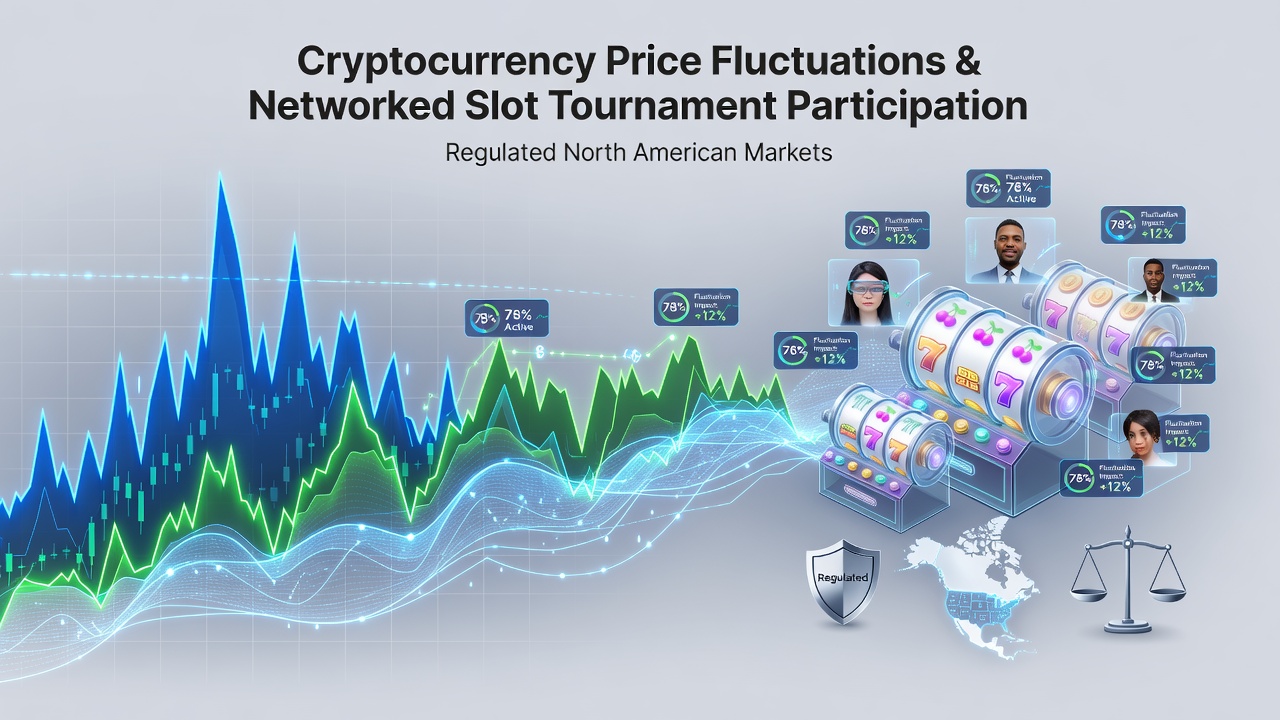
Regulated markets in the United States and Canada have seen networked slot tournaments expand steadily since the early 2020s, with operators connecting players across state and provincial lines through shared prize pools funded partly by cryptocurrency deposits. Data from multiple gaming commissions shows that entry volumes rise when Bitcoin and Ethereum values increase by more than fifteen percent over a thirty-day window, while sharp declines coincide with reduced sign-ups in the same platforms. Observers note these patterns hold across jurisdictions that permit digital asset transactions, including New Jersey, Pennsylvania, Michigan, and Ontario.
Networked tournaments differ from standalone events because they aggregate participation from several licensed sites into one leaderboard, and cryptocurrency wallets often serve as the deposit method of choice for cross-border players. When coin prices climb, the real-world value of entry fees paid in crypto grows, which appears to encourage more frequent deposits according to transaction logs reviewed by industry analysts. Conversely, downturns lead some participants to pause activity until prices stabilize, a shift documented in aggregated platform reports covering 2024 through late 2026.
Data Patterns Across Jurisdictions
Figures compiled by the Alcohol and Gaming Commission of Ontario reveal that cryptocurrency-funded entries accounted for thirty-eight percent of total tournament participation in the first three quarters of 2026, with noticeable spikes during periods of upward price movement in major coins. In the United States, the Nevada Gaming Control Board tracks similar trends among operators licensed for multi-state tournament networks, where Bitcoin price surges above sixty thousand dollars correlated with a twenty-two percent lift in weekly entries during the same timeframe. These statistics emerge from routine compliance filings rather than promotional claims, providing a consistent dataset across regions.
Researchers at several academic institutions have examined these correlations by matching public blockchain transaction volumes with anonymized tournament registration records. One analysis covering Michigan and Pennsylvania operators found that a ten percent drop in Ethereum value over two weeks preceded an average eight percent reduction in new entrants, while recovery phases produced mirrored increases. Such patterns hold after controlling for seasonal factors like holiday promotions and major sporting events that might otherwise influence wagering activity.

Regional Regulatory Influences
Canadian provinces maintain distinct rules for digital asset use in gaming, yet Ontario and British Columbia both report parallel responses to price volatility despite differing tax treatments. In the United States, states that permit cryptocurrency deposits under existing frameworks, such as those overseen by the New Jersey Division of Gaming Enforcement, show tighter linkage between coin fluctuations and entry rates than states where operators must convert crypto to fiat before prize distribution. This difference stems from processing speed rather than outright prohibition, since conversion delays can dampen the perceived benefit of rising asset values.
November 2026 data from multi-state tournament networks indicated that participation from Canadian players remained steadier during minor price dips than participation from some U.S. regions, a contrast attributed to broader acceptance of stablecoin options in Canadian licensed environments. Stablecoins pegged to the U.S. dollar appear to buffer some volatility effects, allowing players to maintain consistent entry habits even when Bitcoin experiences daily swings exceeding five percent.
Operational Factors and Player Behavior
Operators adjust prize structures and minimum entry thresholds in response to observed volume changes, often increasing crypto-denominated bonuses when market indices trend upward. Tournament software logs demonstrate that players using crypto wallets tend to enter multiple events within a single session when asset values are rising, whereas the same cohort reduces activity during flat or declining periods. This behavior aligns with broader economic patterns where disposable digital holdings influence discretionary spending on entertainment platforms.
Payment processor integrations play a supporting role, since faster on-ramps from exchanges to gaming accounts reduce friction during favorable price movements. Platforms that offer instant conversion at the moment of deposit record higher retention of crypto users compared with those requiring manual steps, according to operational metrics shared in industry association briefings. These differences remain measurable even after accounting for marketing spend and game variety.
Conclusion
Evidence gathered from regulatory filings, blockchain records, and platform analytics across regulated North American markets demonstrates a measurable connection between cryptocurrency price movements and participation levels in networked slot tournaments. Jurisdictions with streamlined crypto handling show more pronounced responses, while stablecoin availability introduces partial insulation from volatility. Continued monitoring of these indicators through 2027 will clarify whether the observed relationships persist as both markets and technologies evolve.